Understand the UPC’s first ruling on second medical use patents, which clarifies novelty and infringement standards but creates new hurdles for patentees, especially concerning “skinny labelling” and proving off-label use.
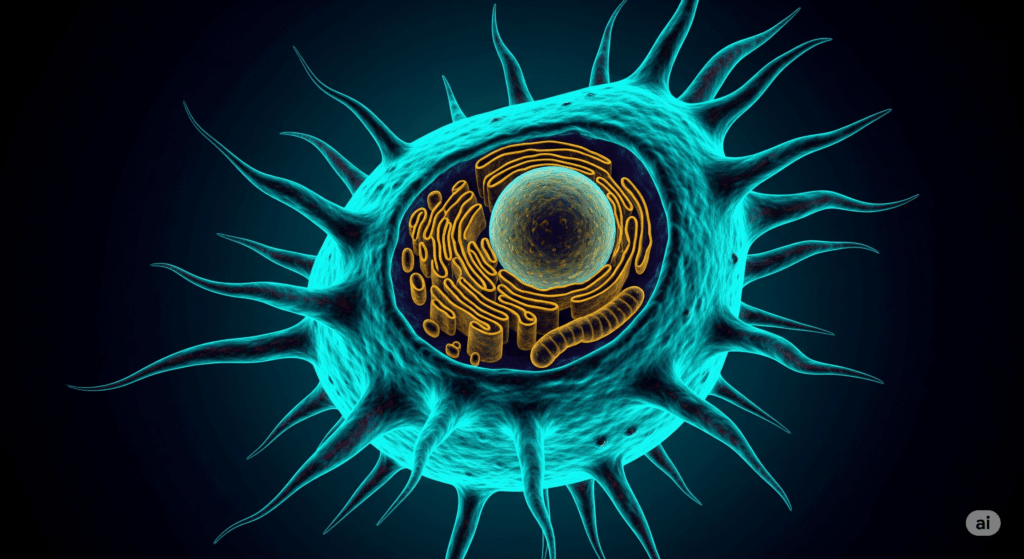
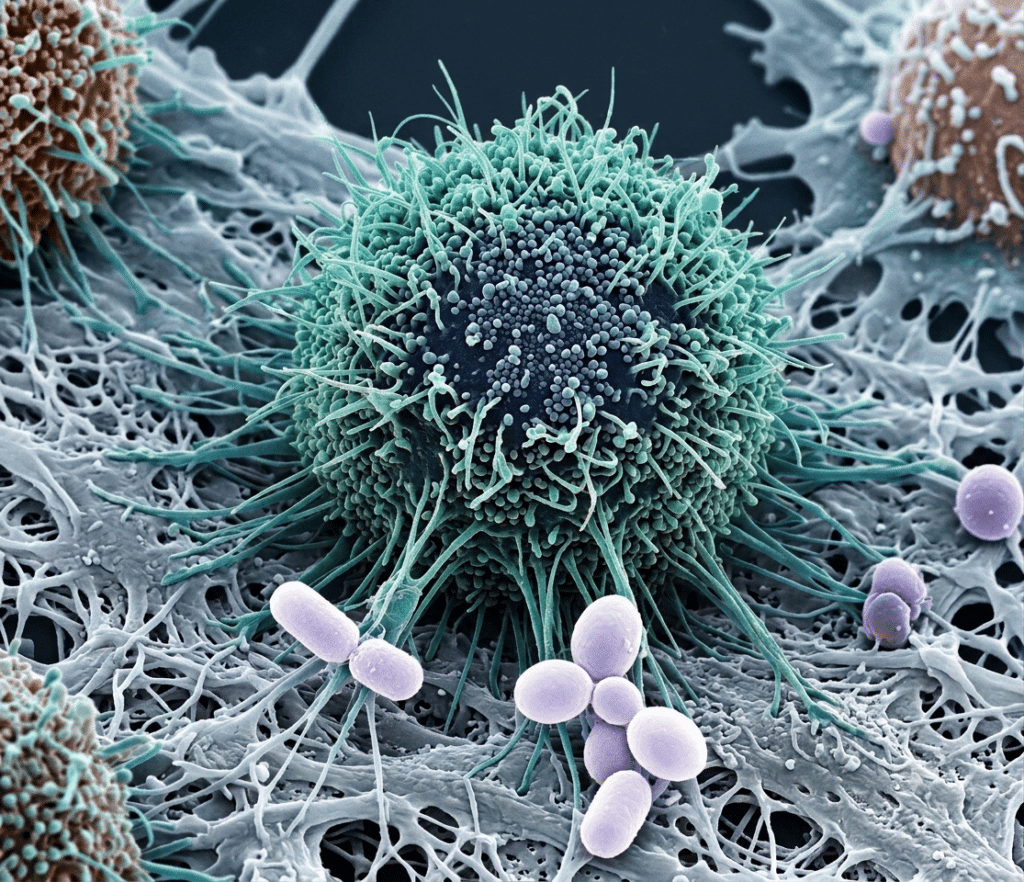
Understanding cell therapies for intellectual property protection is uniquely challenging because these living products are inherently complex and variable, making precise legal definitions difficult but crucial.
Novo Nordisk’s recent setback with the European Patent Office (EPO) for semaglutide offers a critical lesson: even revolutionary drugs face patent rejection if their underlying composition, dose, and pH are deemed obvious in light of prior art, proving that commercial success alone cannot ensure patentability.
Navigating the intricacies of patenting diagnostic and medical inventions can be challenging, but a recent EPO Board of Appeal decision offers crucial guidance: clear patient population definitions and robust supporting data in the initial application are paramount for establishing “plausibility” and ensuring patent validity.
For tech innovators seeking to understand evolving intellectual property strategies, OpenAI’s recent pivot offers essential guidance: far from relying solely on trade secrets, the AI leader is now aggressively pursuing and accelerating patent grants, signaling a significant shift.
AlphaFold, a machine learning model for predicting protein structure, is arguably one of the greatest achievements of AI so far. Whilst large language models such as ChatGPT can write poems and make pretty pictures, AlphaFold has the potential to dramatically impact the life-and-death world of drug discovery. AlphaFold represents truly ground-breaking science for which its…
AI has been hailed as a potentially revolutionary tool for accelerating and enhancing the difficult and expensive process of drug discovery. Medicine perhaps represents the field in which AI has the most to offer humanity. However, the nascent field of AI-assisted drug design also highlights the need for IP strategy to be as forward-looking and…
Originally published on IPKat.
The EPO Board of Appeal decision in T 0687/22 confirms beyond doubt the relevance of G 2/21 to software inventions. The decision in T 0687/22 links the case law from G 1/19 and G 2/21 to highlight the importance of establishing a credible technical effect of software invention. The Patentee in the case made several attempts to formulate an objective technical problem solved…
IP strategy for cell therapy also has unique challenges. The patent at issue in T 1259/22, although relatively old (expiring August 2024 with SPCs), nonetheless highlights some of the key challenges for cell therapy IP strategy.
The decision in Juno v Kite is not a surprise in light of the recent CAFC case law on written description for antibodies, and represents yet another nail in the coffin of functional genus claiming for biomolecules in the US.
Cell therapy represents one of the most exciting fields of innovation, with the potential to provide long-term cures for previously incurable diseases. However, unlike traditional pharmaceuticals, these “living medicines” present unique IP challenges that can make or break a biotech’s future.