
Fractional IP counsel for biotech and pharma
Senior patent attorneys who have been in-house, working as your head of IP for the days you need them.
We are a specialist firm of pharma and biotech patent attorneys. Between us we have run IP inside large pharmaceutical companies, in oncology, autoimmune disease and neuroscience, and we have worked in private practice too. Fractional IP counsel is how we make that experience available to companies that need it a few days a month rather than five days a week. The days go up around a financing or a licensing deal, and come back down afterwards.


On this page: Why fractional · Our experience · What we cover · The team · Deals · Landscape and FTO · A typical month · AI tools · How it works · FAQs
Why fractional IP counsel?
At some point IP decisions start to shape the company, usually well before there is a pipeline big enough to justify a full-time head of IP. Fractional IP counsel is for that stage.
People call it different things: a fractional head of IP, an outsourced head of IP for life sciences, fractional patent counsel. What you get is one of our patent attorneys working as your head of IP, with the rest of Evolve behind them: our paralegals, our docketing and document systems and the AI tools we have built. Nobody here works alone, so you get more than one opinion when something matters. And because Evolve is a full-service patent firm rather than a consultancy, the drafting, prosecution and any opposition or appeal can sit with the same people who set the strategy.
The three situations that bring most people to us
A biotech with no in-house IP yet
The CEO or CSO is head of IP in all but name and the next financing will go through the portfolio properly. We take the role from the start, for the days a month the pipeline needs. More on start-ups.
A clinical-stage company with a gap
The head of IP has left or is stretched, a partnering process is coming, and there is more senior work than one person can do. We step in as an outsourced head of IP, or alongside the person you have.
An established team with too much on
We take the overflow, cover leave, or give a second senior opinion on a big decision, with no settling-in period. See our work with established pharma.
What fractional IP counsel includes
One retainer covers the whole in-house job. Each part is described further down the page.
The full in-house remit
Global filing strategy, regulatory exclusivities, life-cycle management, trade secrets, oppositions and litigation support, portfolio consolidation.
Deals, diligence and investors
Getting the portfolio ready before a partner looks at it, negotiating IP terms, and explaining the position to boards and investors.
Competitive intelligence and FTO
Knowing the landscape around your technology and keeping it current, with the Ammonite Chart for boards and investors.
The day-to-day work
Invention capture, publication review, portfolio reviews, board updates and a named attorney your scientists can call.
AI tools built for the work
Franklin, Cassandra, Darwin, Popper, Albert and the Ammonite Chart, built by our attorneys and included for fractional clients.
How it works
A named patent director, agreed days per month, running within weeks, scaled up or down as the pipeline changes.
Who fractional IP counsel is for
The three situations that bring most people to us.
A biotech with no in-house IP yet
The patent work sits with an outside firm and the CEO or CSO is head of IP in all but name. That works until a financing, when someone will go through the portfolio properly. We take the head of IP role from the start, for the days a month the pipeline needs, so it is in order before anyone asks. More on how we work with start-ups.
A clinical-stage company whose head of IP has left or is stretched
Programmes are moving, a partnering process is on the horizon, and there is more senior work than one person can do. We can step in as an outsourced head of IP for life sciences, or work alongside the person you have, for as long as it is useful.
An established pharma team that needs overflow or a second view
A good in-house team with too much on. We take the overflow, cover leave, or give a second senior opinion on a big decision. There is no settling-in period, because we have done the job. See our work with established pharma.
Built for pharma and biotech
Pharma and biotech IP is a discipline of its own, and it is the only thing we do.
A pharma patent stands or falls on its data. Whether a claim to a new antibody, a dosing regimen or a cell therapy survives examination comes down to what the experiments showed, how the sequences were defined, and whether the examiner finds the effect plausible. You need attorneys who understand the science as well as the law. Ours have PhDs in immunology and chemistry, spent years inside pharma R&D, and work every week on small molecules, biologics, antibody-drug conjugates, cell and gene therapy and RNA, across oncology, autoimmune disease and neuroscience.
In practice that means:
- Oncology, autoimmune and neuroscience programmes get the different strategies they need, because we have run all three in-house
- Life-cycle management, patent term extension and SPCs are thought about at the first filing rather than years later
- Platform technologies get an invention-capture process that keeps up with the lab
- Competitive landscapes are read by people who know which patents matter in a given modality
- Deal terms are negotiated by attorneys who have sat on the pharma side of the table
Why fractional IP counsel suits life sciences
In pharma and biotech the patents are most of what the company is worth. Value is built years before any revenue, every financing and partnering round turns on the IP, and the work arrives in bursts around those events rather than steadily through the year.
A full-time head of IP is hard to justify while the pipeline is small, and an outside firm is rarely in the room when the decisions get made. Fractional IP counsel sits in between: in-house experience, on the days you need it, from attorneys the pharma partners and investors across the table already know.
The full in-house remit
Everything a head of IP is responsible for, from the first filing through to loss of exclusivity. And because we are a full-service patent firm, not a consultancy, we can do the drafting, prosecution, oppositions and appeals as well as advise on them.
Global IP strategy
Where to file, when, and in what form, decided against the commercial plan rather than out of habit. The jurisdictional differences matter more in pharma than in most fields: evidence thresholds at the EPO and the USPTO, grace periods, divisional practice, and the way China and Japan handle biologics and dosing claims. We have run global strategy for on-market biologics and for neuroscience, cell therapy and autoimmune pipelines.
From Evolve Insights:
When do you file for a drug combination invention? (T592/24)
European file history in US claim interpretation (K-fee v Nespresso)
Regulatory exclusivities
Patents are only one layer of protection on a product. SPCs and patent term extension, data and market exclusivity, orphan and paediatric exclusivity all need planning alongside them, and the timing between them is where products gain or lose years.
From Evolve Insights:
Patents versus regulatory exclusivity for cell therapies
SPCs: CJEU asked to revisit Santen
Loss of exclusivity and life-cycle management
We put a loss-of-exclusivity date against every asset and start the life-cycle work early. Formulation, dosing, new indications, combinations, manufacturing: each gets filed when the data is there to support it and there is a commercial reason to do so.
From Evolve Insights:
A new mode of administration is a new medical use (T 0295/22)
Phase III results sink a second medical use patent (T 0816/22)
Trade secrets and know-how
Some of the most valuable IP in a biotech is never filed. We help you decide what to patent and what to keep as know-how, then put the policies, access controls and agreements in place so it stays protected through collaborations and as people come and go.
From Evolve Insights:
The benefits and pitfalls of drug manufacturing IP (T 2543/22)
Pitfalls of cell therapy manufacturing IP (T 0868/23)
Litigation and opposition support
Oppositions at the EPO, and litigation support alongside external counsel in the UK, Europe and the US, including the UPC. We have run oppositions from both sides, which is useful when preparing a portfolio for the day someone challenges it.
From Evolve Insights:
CAR-T cell therapy litigation at the UPC (2seventy bio v J&J)
EBA leaves late interveners stranded (G2/24)
Portfolio management and consolidation
Portfolios get untidy, particularly after a licence or an acquisition. We go through the whole estate, rationalise the families, let go of cases that no longer earn their keep, and get everything onto one system, so the money goes where the value is.
From Evolve Insights:
The great consolidation: Big pharma buys the technology, not just the drug
Why patents matter in the pharma industry
Deals, diligence and investors
IP sits at the centre of every biotech deal. We have run the diligence from the buyer’s side, so we know what gets a deal over the line.
We have run IP due diligence and negotiated IP terms on both sides of licensing, collaboration and financing deals, in autoimmune disease, cell therapy, oncology and neuroscience. That tells you a lot about how a portfolio is read when there is money on the table.
We help you:
- Get the portfolio in shape before a partner’s diligence team sees it
- Explain the IP position to your board and investors without the jargon
- Negotiate the IP terms in licensing, collaboration and financing agreements
- Put the IP story together for a fundraise, a partnering round or a sale
- Keep prosecution pointed in the same direction as the business
Every patent we file has a job to do. We build the portfolio so that it stands up when a partner or investor goes through it, and so that it tells the story the business needs it to.
Competitive intelligence and freedom to operate
Most of the time you do not need an extensive, expensive freedom-to-operate report. You need to know the landscape.
A clear, current map of who holds what around your technology will answer most of the questions a board or investor is going to ask. We go deeper where a particular risk justifies it.
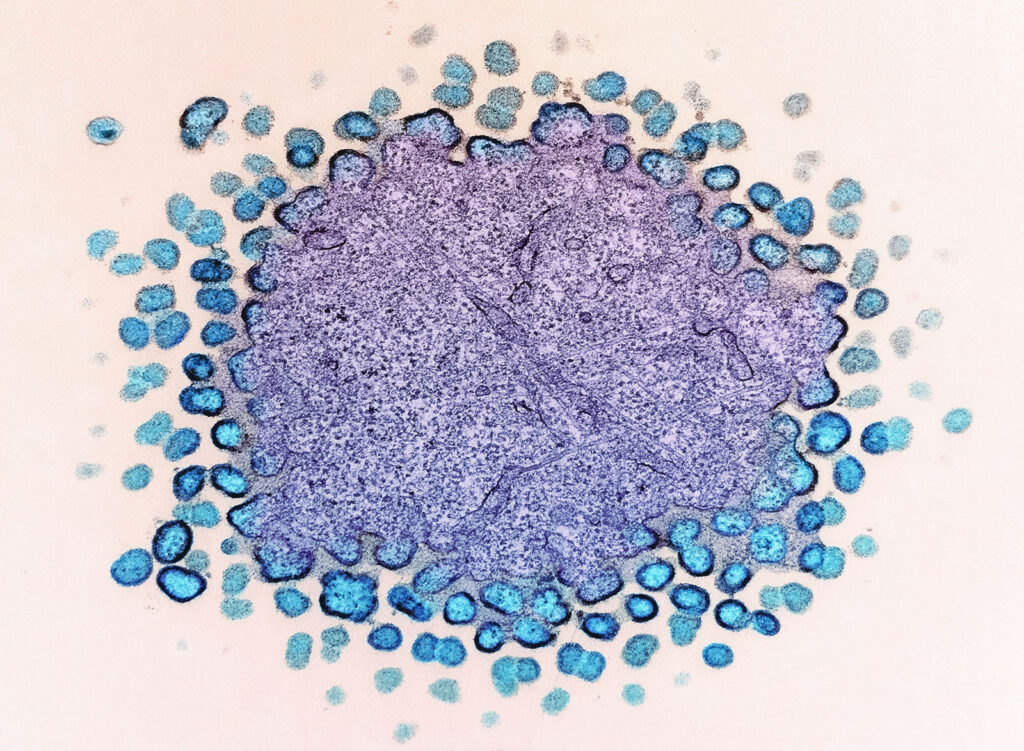
We map the patent landscape around your technology and keep it up to date as your programme and your competitors move, from an early view to support an investment decision through to a closer look at one specific risk. The Ammonite Chart is how we show it. It draws a company’s patent estate, or a whole competitive field, in a single picture, each case running from priority to expiry. Boards and investors understand it without a briefing, which is why we use it.
We use it for:
- Board presentations
- Investor decks
- Strategic planning
- Competitive analysis
- Due diligence
The chart shows the shape of things. The attorney analysis tells you what it means for you, and whether a deeper look is worth the money.
Part of your team
We work as part of your organisation and fit around the team you already have. A typical month looks like this.
Keeping the portfolio in line with the science
A health-check of what you already have against the R&D and clinical plan. Then layered filings on the product, the protocol, dose, formulation, manufacturing and the platform, timed so the application goes in before the data readout, the poster or the deal announcement, and the pending cases that matter pushed through quickly.
Capturing what the lab is generating
Invention capture sessions with the scientists. Manuscripts, posters, abstracts and grant applications reviewed before they go out, with our AI tools doing the first pass so nothing waits on us. Clean inventorship and data records, and a trade secret policy that people actually follow.
Watching the field
Sequence freedom-to-operate analysis and competitor monitoring for every programme and modality, with the landscape kept current as the field moves. The IP terms in collaboration, licence and supply agreements managed as they run, so the chain of title stays clean and nothing is signed away by accident.
Supporting the business
Board and investor updates with the Ammonite Chart and a plain account of how each lead asset is protected. IP input into partnering, financing and due diligence. A named senior attorney your scientists and leadership can call, in-person visits where they help, and paralegal, docketing and deadline support included.
In practice, fractional IP counsel looks like this:
Keeping the portfolio in line with the science
- A health-check of the existing portfolio against R&D and clinical priorities, then regular portfolio reviews to keep it that way
- Layered filings on the product, the treatment protocol, dose, patient subpopulations, formulation, manufacturing and the next-generation platform, so the protection on a lead asset does not rest on one patent
- Filings timed against R&D, clinical, regulatory, commercial, medical affairs and business development milestones, so the application goes in before the data readout, the publication or the deal announcement
- Accelerated prosecution of the pending cases that matter, and alignment of patent, regulatory exclusivity and label strategy
Capturing what the scientists are generating
- Invention capture sessions with the research and clinical teams, and clean ownership, inventorship and data records
- Review of manuscripts, posters, abstracts and grant applications before they go out, with our AI tools doing the first pass so turnaround keeps up with the lab
- A trade secret policy, with the documentation, access controls and discipline that protect manufacturing know-how
Watching the field
- Sequence freedom-to-operate analysis and competitor monitoring for each programme and modality
- Competitor patent landscapes, kept current as the field moves
- Managing the IP risks and opportunities under collaboration, licence and supply agreements, including alliance management and a clean chain of title
Supporting the business
- Board and investor IP updates, with the Ammonite Chart and a plain summary of how each lead asset is protected
- IP input into partnering, financing and due diligence processes
- A named senior patent attorney your scientists and leadership can call, in-person visits where they help, and paralegal, docketing and deadline support included
If you already have an in-house IP lead, we can take the overflow, cover a gap, or offer a second senior view on the big decisions.
AI tools built for fractional IP work
Our patent attorneys built these tools for the jobs an in-house team has to do.
Franklin: invention spotting and publication review
Franklin reads manuscripts, posters, grant applications and lab reports before they go out. It flags anything that would cost you a filing if published, and it picks up inventions the scientists had not noticed. Publication sign-off that keeps up with the lab.
Cassandra: contract review
Cassandra reviews the IP terms in research collaborations, licences, MTAs and CDAs against your strategy, and shows you where ownership, background IP, publication rights or field definitions need attention before you sign.
Ammonite Chart: portfolio visualisation
The Ammonite Chart draws your patent estate, or a competitor’s, in one picture, with each case running from priority to expiry and rings marking the current year and loss of exclusivity. It is the chart we take into board meetings.
Darwin: patent drafting
Darwin drafts pharma and biotech claim sets and specification sections from your data and examples, modality by modality, from small molecules through to sequence claims for biologics and cell therapies. Our attorneys shape and finish the draft, which means a filing can be ready in days when a publication or a deal makes it urgent.
Popper: global prosecution
Popper reads the examiner’s objections, the data in your specification and the prosecution history across the family, then prepares the response, with the differences between the EPO, the USPTO and the Asian offices built in. It keeps prosecution in line with the global strategy at a cost an early-stage company can manage.
Albert: validity and claim analysis
Albert checks claims against the specification for basis and support, maps each embodiment to its experimental data, and assesses novelty and inventive step against the prior art. It is the analysis we run on your own portfolio, and on assets you are thinking of licensing in, before a diligence team does.
Fractional IP counsel clients have access to these tools and the rest of the Evolve AI suite. They are built on frontier models from Anthropic and Google, nothing is trained on client data and nothing is retained, and a qualified patent attorney reviews every output.
We have done the in-house job
Our patent directors have run IP inside global pharma companies and in private practice. Pharma and biotech IP is a discipline of its own, and it is the only thing we do.
A pharma patent stands or falls on its data, so you need attorneys who understand the science as well as the law. Ours have PhDs in immunology and chemistry, spent years inside pharma R&D, and work every week on small molecules, biologics, antibody-drug conjugates, cell and gene therapy and RNA, across oncology, autoimmune disease and neuroscience. In pharma the patents are most of what the company is worth, value is built years before revenue, and the work comes in bursts around financings and deals. That is why fractional counsel fits life sciences so well.
Our team has:
- Led global patent strategy for a blockbuster biologic, securing life-cycle patents in the US, Europe, China and Japan that supported three further Phase 3 programmes
- Run IP due diligence and negotiated IP terms on the in-licensing side of a $2 billion+ autoimmune cell therapy deal and a $4.5 billion antibody platform collaboration
- Directed the IP due diligence and negotiations for the out-licensing of an entire neuroscience portfolio, from preclinical to late-stage assets across gene therapy, small molecule and antibody modalities
- Acted as lead IP counsel for a Nasdaq-listed clinical-stage biotech, including the IP work on a $150 million non-dilutive financing and an in vivo CAR-T licence
- Managed global portfolios for platform technologies, clinical-stage assets and on-market products, including patent term extension and SPC strategy
- Worked across small molecules, biologics, cell and gene therapy and drug delivery, in oncology, autoimmune disease and neuroscience, which need very different IP strategies
We have also stayed with deals after signing, which is how you learn which IP positions hold up.
Global strategy for a blockbuster biologic
Life-cycle patents secured in the US, Europe, China and Japan, which supported three further Phase 3 programmes in new indications.
$2 billion+ and $4.5 billion in-licensing deals
IP due diligence and term negotiation on the buyer’s side of an autoimmune cell therapy deal and a multi-specific antibody platform collaboration.
An entire neuroscience portfolio out-licensed
Diligence and negotiations for the whole estate, preclinical to late-stage, across gene therapy, small molecule and antibody assets.
Lead IP counsel to a Nasdaq-listed biotech
Including the IP work on a $150 million non-dilutive financing and an in vivo CAR-T licence.
Global portfolios, platform to product
Platform technologies, clinical-stage assets and on-market products, with patent term extension and SPC strategy built in.
Every modality, three therapy areas
Small molecules, biologics, cell and gene therapy and drug delivery, in oncology, autoimmune disease and neuroscience, which need very different IP strategies.
We have also stayed with deals after signing, which is how you learn which IP positions hold up.
The patent directors who do the work
The patent directors do the fractional work themselves.
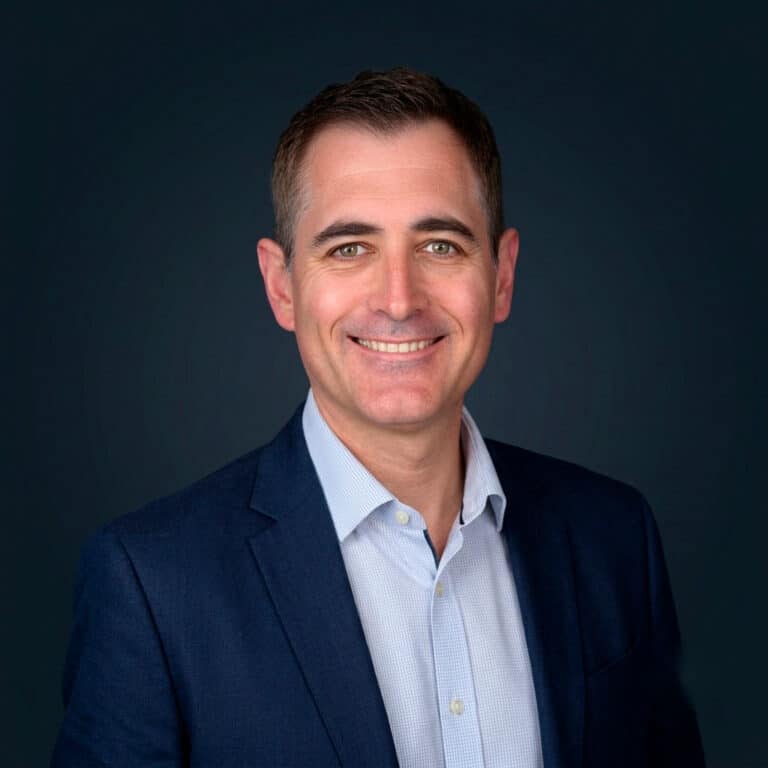
Steven Gurney, EPA, CPA, MIPLaw
Founded Evolve in 2021. European, UK and Australian patent attorney, with more than 20 years in-house and in private practice in pharma and life sciences. Licensing, due diligence, SPCs and contentious work. Ranked in Legal 500, IP STARS and IAM Patent 1000. Profile
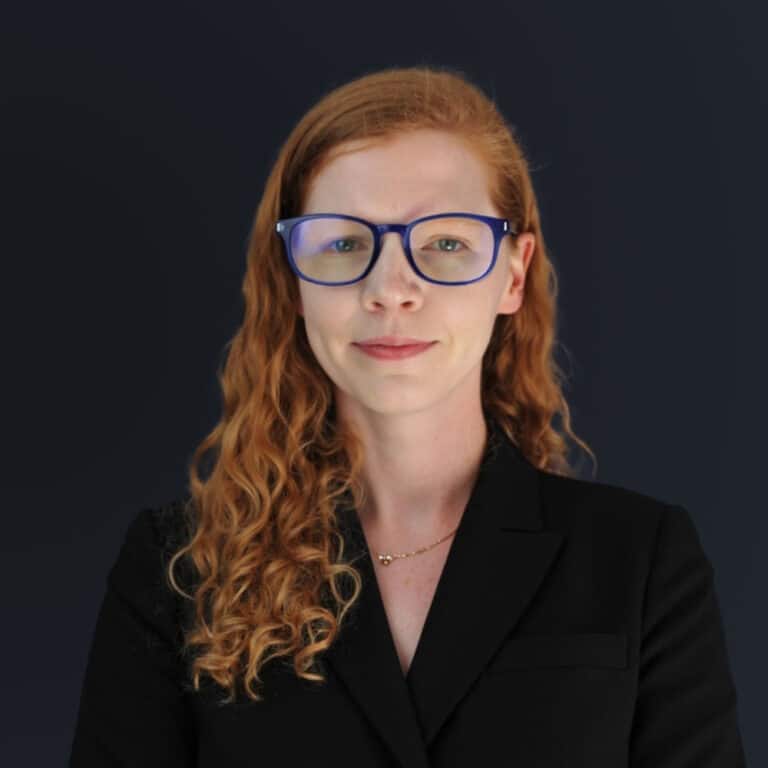
Rose Hughes, MA (Cantab), PhD, EPA
Lead IP counsel to a Nasdaq-listed cell therapy company. Before Evolve, IP lead for AstraZeneca’s neuroscience department and its biopharma cell therapy group. Cell and gene therapy, biologics, RNA and neuroscience. Editor of the CIPA Guide to the Patents Acts and a regular IPKat author. Profile
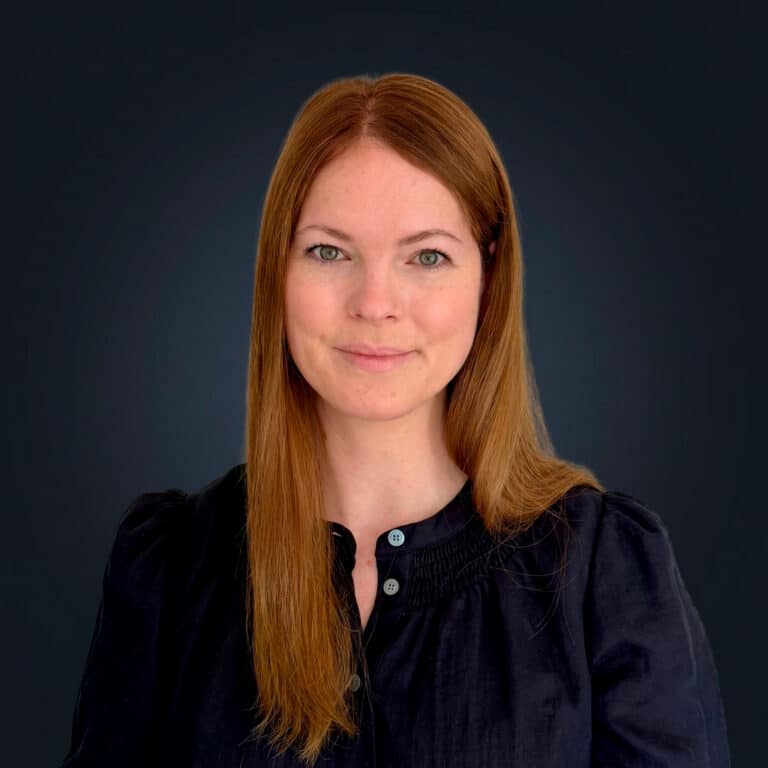
Alice Walford, CPA, EPA
Fifteen years in pharma and biotech, in-house and in private practice, at companies large and small. Freedom to operate, IP risk and due diligence. Profile
Evolve Intellectual Property is a firm of UK and European patent attorneys based in Cambridge, working only in pharmaceuticals and biotechnology.

The team
“Rose provides rapid, expert IP strategy advice in cell and gene therapy, combining strong sector knowledge with the ability to quickly understand complex technologies.” Client, cell therapy biotech
How fractional IP counsel works
Easy to start, easy to change.
- A named patent director as your head of IP, with the rest of Evolve behind them
- A retainer of agreed days per month, adjusted as the pipeline changes
- Running within a few weeks of the first conversation
- Paralegal, docketing and document management included
- Access to our AI tools
- Senior IP leadership for a fraction of what a full-time head of IP costs
Most clients start with a portfolio review and a strategy session. We then agree the days per month, and change them as the pipeline does.
Compared with the alternatives
A traditional patent firm
Good at filing and prosecution, and the right choice for discrete pieces of work. What a firm at arm’s length does not give you is someone in your management meetings who owns the strategy.
A full-time head of IP
The right answer once the pipeline justifies it. Until it does, fractional counsel gives you the same seniority at the scale you need, and when the time comes we will help you recruit and hand over.
Fractional IP counsel from Evolve
The in-house role, done by people who have held it, for the days you need. Strategy and execution come from the same team and the cost tracks the pipeline. We are a full-service patent firm, so drafting, prosecution, oppositions and appeals can sit with us too, which a lone consultant cannot offer.
Fractional IP counsel, a traditional patent firm, or a full-time hire?
The honest comparison.
FAQs
What is a fractional in-house patent attorney?
A qualified patent attorney who works inside your company for an agreed number of days, doing what an in-house head of IP does: strategy, portfolio management, deal support and the everyday questions from your scientists. The difference from using a firm is that the attorney is part of the team rather than a supplier.
What does fractional IP counsel cost compared with a full-time head of IP?
A senior pharma head of IP in the UK costs well into six figures once salary, bonus, benefits and recruitment are added up, and an early-stage company rarely needs that person five days a week. Fractional IP counsel is priced on the days you use. An early-stage biotech typically pays a fraction of a full-time cost and increases the days as the programmes advance.
Is Evolve IP the cloud communications company?
No. Evolve Intellectual Property is a firm of UK and European patent attorneys in Cambridge, working only in pharmaceuticals and biotechnology. The US company Evolve IP is unrelated to us.
We need senior IP leadership but not a full-time hire. What are the options?
Broadly three. Keep an outside firm and have the CEO or CSO manage it, which works until the volume or the stakes outgrow them. Hire a junior patent attorney or IP manager, which gives you capacity but not the judgement a financing or a licence needs. Or bring in fractional IP counsel, a senior attorney who has done the in-house job, for an agreed number of days a month. Most companies we work with come to us from the first option, and a few from the second.
Can we keep our existing patent firm?
Yes, and most clients do, at least to begin with. We act as your in-house head of IP, which means we instruct and manage your outside attorneys the way an in-house team would, and they usually get better instructions and a clearer strategy to work to as a result. Where it makes sense we can take on the drafting and prosecution ourselves, but that is your decision rather than a condition.
What does the first month look like?
We start with the business rather than the patents: where the pipeline is, what the next twelve months hold, who the likely partners and investors are. Then a review of the portfolio and the outside counsel arrangements, usually with the Ammonite Chart to show the estate at a glance. By the end of the first month you will have a written IP strategy, a view on what to file, drop and defer, and an agreed number of days a month from there.
Is there a minimum commitment?
We agree a number of days per month and review it with you every quarter, or sooner if something changes. If a financing or a partnering process needs more of us for a few months, the days go up, and they come back down afterwards. We would rather you stayed because the work is useful than because a contract says so.
How do you handle confidentiality and conflicts?
We are regulated patent attorneys, so the professional duties of confidentiality and conflict checking apply to us as they would to any firm, and we run a conflict check before any engagement starts. Because we work in a narrow field we take this seriously: we tell you at the outset if we act for anyone near your space, and we agree the conflict position with you in writing before we begin.
Do you use AI on our work, and is it secure?
Yes, on the review and analysis work, which is part of why we can do more in the same number of days. The tools are our own, built by our attorneys on frontier models from Anthropic and Google under enterprise terms. Nothing is used to train a model, nothing is retained, and a qualified patent attorney checks every output before it reaches you. Our professional obligations apply to AI work exactly as they do to the rest. There is more on how we think about this in our article on AI and confidentiality.
What is a fractional in-house patent attorney?
A qualified patent attorney who works inside your company for an agreed number of days, doing what an in-house head of IP does: strategy, portfolio management, deal support and the everyday questions from your scientists. The difference from using a firm is that the attorney is part of the team rather than a supplier.
Can you get a fractional head of IP?
Yes. One of our patent directors acts as your head of IP, reports to your leadership team and brings the rest of Evolve with them.
What does fractional IP counsel cost compared with a full-time head of IP?
A senior pharma head of IP in the UK costs well into six figures once salary, bonus, benefits and recruitment are added up, and an early-stage company rarely needs that person five days a week. Fractional IP counsel is priced on the days you use. An early-stage biotech typically pays a fraction of a full-time cost and increases the days as the programmes advance.
How do small pharma and biotech companies handle IP without in-house counsel?
Usually the CEO or CSO manages an outside firm. That works until a financing, a partnering process or a freedom-to-operate question needs senior attention, and at that point the groundwork is often not there. Fractional IP counsel gives you the senior attention without the hire, and gets the groundwork done before the deal rather than during it.
Is Evolve IP the cloud communications company?
No. Evolve Intellectual Property is a firm of UK and European patent attorneys in Cambridge, working only in pharmaceuticals and biotechnology. The US company Evolve IP is unrelated to us.
We need senior IP leadership but not a full-time hire. What are the options?
Broadly three. Keep an outside firm and have the CEO or CSO manage it, which works until the volume or the stakes outgrow them. Hire a junior patent attorney or IP manager, which gives you capacity but not the judgement a financing or a licence needs. Or bring in fractional IP counsel, a senior attorney who has done the in-house job, for an agreed number of days a month. Most companies we work with come to us from the first option, and a few from the second.
Can we keep our existing patent firm?
Yes, and most clients do, at least to begin with. We act as your in-house head of IP, which means we instruct and manage your outside attorneys the way an in-house team would, and they usually get better instructions and a clearer strategy to work to as a result. Where it makes sense we can take on the drafting and prosecution ourselves, but that is your decision rather than a condition.
What does the first month look like?
We start with the business rather than the patents: where the pipeline is, what the next twelve months hold, who the likely partners and investors are. Then a review of the portfolio and the outside counsel arrangements, usually with the Ammonite Chart to show the estate at a glance. By the end of the first month you will have a written IP strategy, a view on what to file, drop and defer, and an agreed number of days a month from there.
Is there a minimum commitment?
We agree a number of days per month and review it with you every quarter, or sooner if something changes. If a financing or a partnering process needs more of us for a few months, the days go up, and they come back down afterwards. We would rather you stayed because the work is useful than because a contract says so.
How do you handle confidentiality and conflicts?
We are regulated patent attorneys, so the professional duties of confidentiality and conflict checking apply to us as they would to any firm, and we run a conflict check before any engagement starts. Because we work in a narrow field we take this seriously: we tell you at the outset if we act for anyone near your space, and we agree the conflict position with you in writing before we begin.
Do you use AI on our work, and is it secure?
Yes, on the review and analysis work, which is part of why we can do more in the same number of days. The tools are our own, built by our attorneys on frontier models from Anthropic and Google under enterprise terms. Nothing is used to train a model, nothing is retained, and a qualified patent attorney checks every output before it reaches you. Our professional obligations apply to AI work exactly as they do to the rest. There is more on how we think about this in our article on AI and confidentiality.
What happens when we are ready to hire a full-time head of IP?
We help you recruit, hand over the strategy, the portfolio and the systems, and then step back or stay on as a second senior view, whichever you prefer. Several of the things we set up during the fractional period, the invention disclosure process, the docketing, the strategy log, are there so that the handover is clean.
Do you work with companies outside the UK?
Yes. Our fractional clients include a US-listed company, and most pharma IP is global by nature. We are UK and European patent attorneys based in Cambridge, we work with US counsel on US prosecution, and we are used to the time zones.